
In government systems, license payments play a critical role in ensuring public services are funded and operational. These payments go through several steps to guarantee accuracy, compliance, and proper financial management. However, when processes break down, delays occur, leading to inefficiency and frustration for both citizens and government workers.
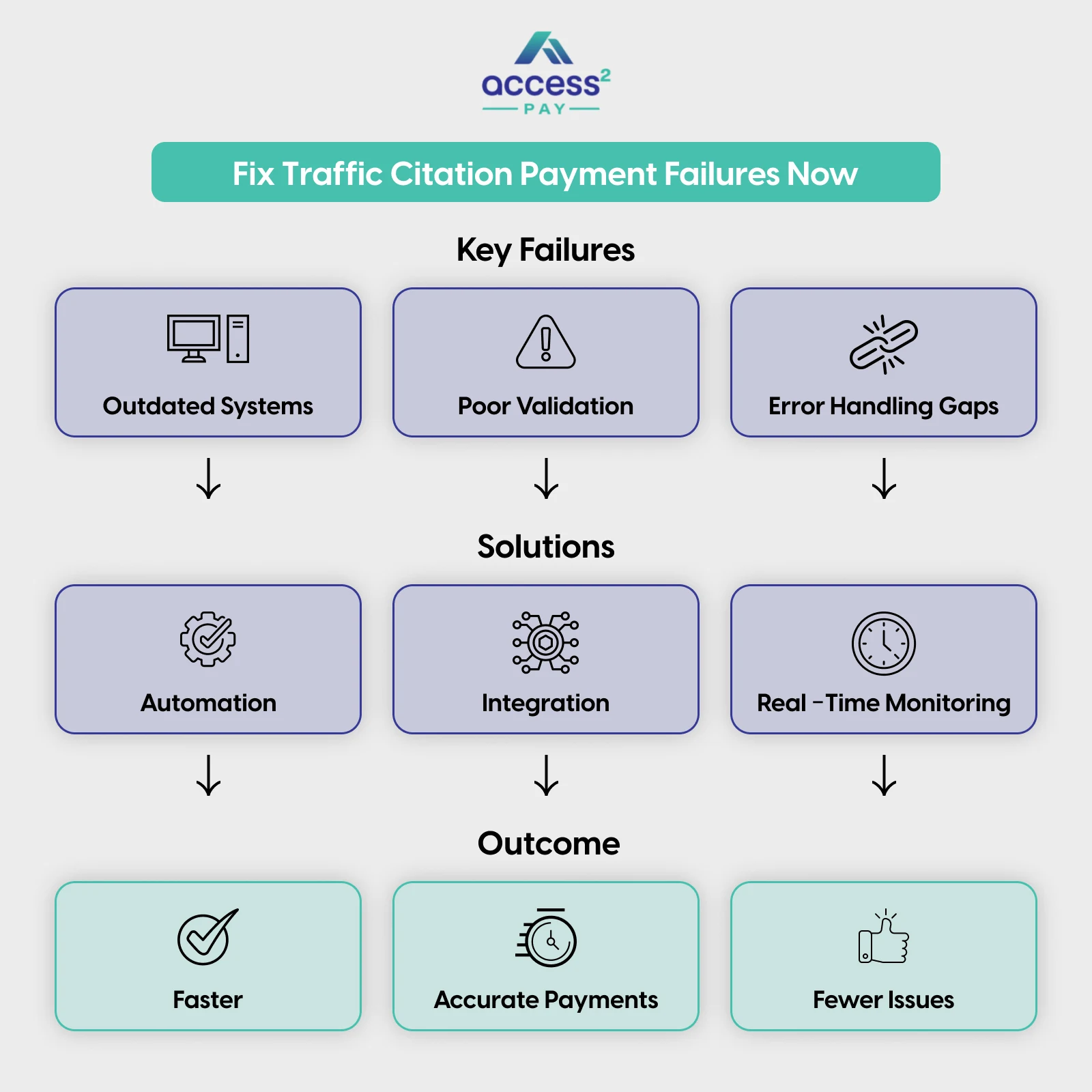
The truth is that many governments still rely on outdated systems, and without an optimized license payment process, issues are inevitable. Even if it’s user errors, system overloads, or lack of integration, these breakdowns hinder the smooth transfer of funds.
Key Takeaways
- License payments in government systems require multiple steps, from data entry to final reconciliation, to secure accuracy and compliance.
- Delays often arise from outdated technology, poor integration between departments, and inefficient error-handling processes.
- Modernizing payment systems, enhancing integration, and establishing real-time monitoring improve efficiency and reduce transaction failures.
Step-by-Step Breakdown of License Payment Submission
Understanding how license payments are processed in government systems requires a close look at the flow from initiation to final submission. Citizens enter payment portals, submit data, and receive a receipt, but what happens behind the scenes is just as important.
User Portal Access for License Payment Initiation
The process begins when a user accesses the online government portal to submit a payment for their license. This portal is often the first point of contact and serves as the gateway to a seamless transaction.
However, user access can be a barrier in itself, especially when login credentials aren’t secure or when the interface isn’t intuitive. For governments, ensuring the portal is both user-friendly and secure is critical for facilitating quick and accurate transactions.
Data Entry and Fee Calculation in License Payment
Once the user gains access to the portal, the next step is entering the necessary data, usually license number, personal information, and payment details. Governments use predefined fee schedules to calculate the amount due, based on the type of license and applicable duration.
This step is crucial for accuracy. Even a small error in fee calculation or missing data can cause delays, leading to a payment failure or incorrect charge. Ensuring proper validations at this stage is critical for reducing transaction errors.
Payment Gateway Integration for License Payment
The payment gateway is the technology that securely processes payment information. It connects the government portal with external payment processors like credit card companies, banks, or third-party vendors.
The gateway confirms the security of payment data, verifies payment details, and facilitates the authorization of funds. Problems arise when gateways are outdated or incompatible with newer payment methods, causing delays and transaction failures.
Real-Time Validation Rules in License Payment
Validation rules serve to secure that the payment data entered by users is correct. These rules check for accurate information, such as valid credit card numbers, expiration dates, and billing addresses.
Real-time validation also checks for errors such as mismatched license numbers or payment amounts. If validation rules aren’t strictly enforced, errors slip through, leading to payment failures or disputes down the line.
Error Handling During License Payment Submission
Despite all safeguards, errors still happen. When users encounter issues, such as incomplete transactions, incorrect billing amounts, or system failures, they need immediate guidance.
Proper error handling is essential for reducing frustration and ensuring that issues don’t escalate into disputes. A good error handling process involves clear messaging, helpful troubleshooting steps, and easy ways to escalate issues to support teams.
Receipt Generation Post-License Payment Submission
Once a user completes the payment process, the system generates a receipt confirming that the transaction has been processed successfully. This receipt includes all relevant transaction details, including the license type, amount paid, date, and payment method.
This step is crucial for record-keeping and user confidence. Failure to generate receipts or provide detailed payment information can lead to confusion, delayed renewals, and administrative errors.
Verification and Confirmation in License Payment
After the payment has been submitted, the next phase involves verifying that the transaction has been correctly processed. This is where government systems work together, combining enforcement, financial records, and payment confirmations.
Fraud Checks Applied to License Payment Transactions
Governments need to guarantee that payments are legitimate and not fraudulent. Fraud detection systems analyze payment transactions for signs of suspicious activity, such as unauthorized payment attempts, invalid account numbers, or unusual payment patterns.
By applying fraud checks at multiple points during the process, governments can protect both citizens and public funds from malicious actors. Without these measures, governments risk serious financial losses and reputational damage.
Compliance Reviews in License Payment Verification
Governments must also see to it that license payments comply with relevant laws and regulations, such as those regarding data protection and transaction transparency. Compliance checks help verify that payments are properly recorded and that all relevant legal documentation is in place.
A lack of compliance checks can expose government agencies to legal risks, penalties, and public scrutiny. Streamlining compliance processes allows for smoother and faster payment processing.
Multi-System Synchronization for License Payment
Government payment systems are often spread across multiple platforms, including enforcement systems, finance systems, and tax databases. These systems must work in sync to confirm that the payment is properly recorded and processed in all relevant systems.
When systems aren’t synchronized or updated in real time, delays and errors happen. If the enforcement system shows a payment as “pending” while the financial system confirms it has cleared, citizens may face unnecessary fines or penalties.
Notification Protocols After License Payment Confirmation
Once the payment is confirmed, users need immediate notification, such as an email or SMS, confirming the successful transaction. Notifications should also include details of what the next steps are, such as license issuance or renewal, and any follow-up actions required.
Failure to provide clear, timely notifications leads to confusion and frustration, which can negatively affect user experience.
Provisional Status Updates in License Payment
Sometimes, payments are processed without full confirmation of all required data, which may leave the status of the payment as provisional. This means that users might see their payment marked as “pending” or “under review” even though funds have been transferred.
Clear communication and follow-up timelines are necessary to keep users informed of what’s happening. Without these updates, users may panic, assume the payment was unsuccessful, and make duplicate payments, further complicating the system.
Escalation Procedures for License Payment Issues
If a payment issue cannot be resolved through the standard process, escalation procedures should be in place. A well-defined escalation path confirms that unresolved issues are handled swiftly by higher-level support or specialized teams.
Escalation processes help prevent customer service bottlenecks, and they guarantee that more complicated issues are resolved quickly without causing user frustration.

Posting and Reconciliation in License Payment Systems
Once payments are processed and confirmed, the next step is posting and reconciliation. This is the final stage in the license payment process, ensuring that payments are correctly accounted for and aligned with financial records.
Batch Posting Schedules for License Payment
Many government systems use batch processing for license payment submissions. This involves grouping payments together and posting them at scheduled intervals, often once a day or once a week.
While batch posting improves efficiency, it can also cause delays. Payments made between batch windows may not be reflected in the system until the next batch cycle.
Financial Ledger Updates from License Payment
The financial ledger must be updated to reflect the transaction in the official records. This step secures that funds are properly accounted for and ready for allocation within the relevant department or budget.
This process requires careful tracking to confirm there are no discrepancies or mismatches in the recorded amounts, particularly when dealing with large volumes of payments.
Reconciliation with Bank Statements in License Payment
After payments are posted to the government system, they must be reconciled with bank statements to confirm that actual funds match what’s recorded in the system. This process is crucial for identifying discrepancies early, such as unprocessed payments, bounced transactions, or double postings.
Regular reconciliation secures that government agencies have accurate financial records and remain compliant with financial regulations.
Audit Trail Creation for License Payment Records
An audit trail documents every action taken on a transaction from submission to final posting. This includes timestamps, user actions, and system responses.
Audit trails are necessary for accountability and transparency. In the event of an audit or review, a comprehensive audit trail provides clear documentation of how a payment was handled from start to finish.
Discrepancy Resolution in License Payment Posting
Discrepancies are inevitable, but resolving them quickly is critical. Even if it’s a mismatch in amounts, duplicate payments, or system errors, discrepancies must be investigated and resolved promptly.
A structured approach to resolving discrepancies helps prevent future errors, reduces frustration for users, and guarantees that public funds are handled properly.
Reporting and Analytics on License Payment Reconciliation
Once reconciliation is complete, reporting and analytics help government agencies understand how payments are processed, where issues arise, and where improvements can be made. Reports highlight trends, track efficiency, and identify areas of risk, allowing governments to make data-driven decisions.
Analytics turn raw data into actionable insights, ensuring that license payment systems continue to evolve and improve.
FAQ
Why does my license payment show as pending?
Your payment might still be going through the validation or reconciliation process. There could also be a delay in syncing payment data across systems. If the status doesn’t change soon, check for updates via the notification system or contact customer service.
How can I be sure that my license payment is processed correctly?
Make sure your payment details are accurate and follow the instructions provided in the payment portal. See to it that you receive a confirmation receipt and check your email or SMS notifications for updates.
What happens if there is an error during my license payment?
If there’s an error during the payment, the system should automatically notify you of the issue and provide next steps. Common errors include incorrect payment details or system downtime. If unresolved, escalate the issue using the provided support channels.
Modernizing License Payment Accelerates Government Payment Systems
Modernizing license payment systems is crucial for speeding up government processes and improving service delivery. The shift to modern, scalable platforms allows for quicker transactions, real-time updates, and improved user experiences.
By enhancing infrastructure, automating workflows, and ensuring better integration, governments can reduce payment delays and increase operational efficiency, leading to a more reliable service for citizens.