Building permit payments are a critical part of the construction process, whether for residential, commercial, or industrial projects. Governments must ensure these payments are processed smoothly and efficiently to avoid delays in construction and permit issuance. This article explains the key steps in the building permit payment process, common pitfalls, and strategies to ensure timely and accurate payment processing.
Key Takeaways
- The building permit payment process involves multiple stages, from application review to fee calculation and compliance verification, each step is essential for smooth transactions.
- Data validation and error prevention are crucial in preventing delays or inaccuracies in the building permit payment process.
- System synchronization and timely posting are necessary to ensure that payments are processed correctly and without delay.
Initial Intake Process for Building Permit Payment
The initial intake process for building permit payments is where the groundwork is laid for a successful transaction. When an applicant submits a request for a building permit, it triggers a set of actions that ensures all information is accurate and in compliance with local regulations.
During the intake, the system verifies basic details about the applicant, the type of construction project, and the fees that need to be paid. Building permit payment depends heavily on this initial step for both accuracy and compliance.
Key Stages in Government Building Permit Payment
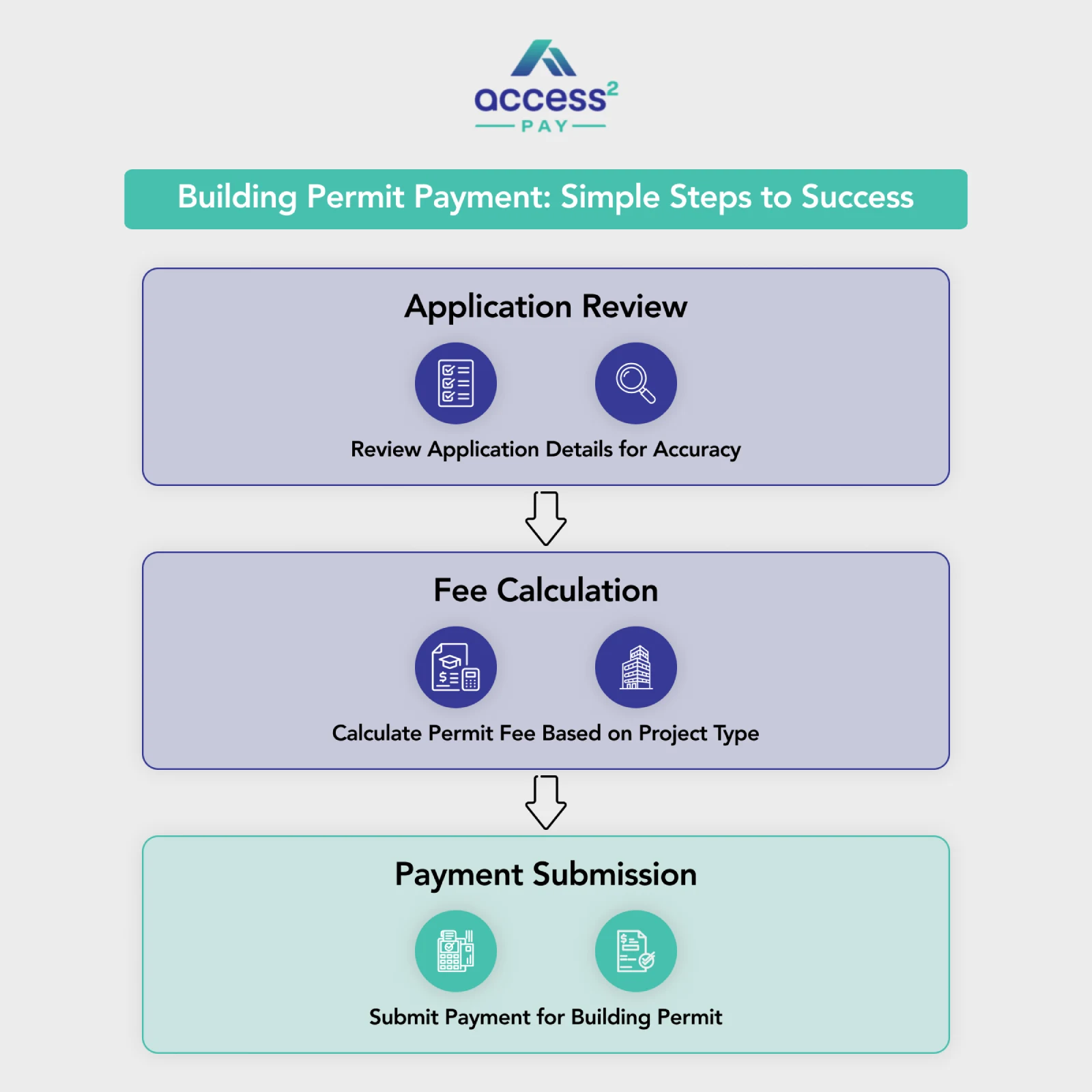
The building permit payment process within government systems is a multi-step journey that ensures both accuracy and compliance. While the process can seem simple, it is highly structured to avoid errors, delays, and ensure that the financial system stays intact. Here’s a detailed breakdown of the key stages involved in processing building permit payments:
- Application Review: This is the stage where the submitted information is checked for accuracy and completeness. Ensuring all details are correct here is crucial for smooth processing.
- Fee Calculation: This stage involves calculating the fee based on various factors such as project size, type, and location. Incorrect calculations can lead to overpayments or underpayments, affecting the entire process.
- Compliance Check: Ensuring that the project complies with local zoning laws, environmental guidelines, and building codes is necessary to avoid legal conflicts.
- Transaction Authorization: After payment is made, authorization verifies the legitimacy and sufficiency of the transaction. This step also ensures that no errors have occurred during the payment.
- Posting and Reconciliation: The final step, where payments are posted to the system, financial records are updated, and the permit is issued or finalized.
Intake and Validation in Building Permit Payment
The intake and validation phase is one of the most critical stages in the building permit payment process. It sets the foundation for everything that follows, ensuring that all submitted information is accurate, complete, and compliant with local regulations. At this stage, both applicants and government officials rely on robust systems to catch errors early, validate fee structures, and ensure all data is correctly entered.
Application Review Before Building Permit Payment
The application review is the first and most critical step in processing building permit payments. Government agencies review submitted applications to ensure that all necessary documents and payment details are accurate. Errors or missing documents can delay the payment process or lead to the rejection of the payment request altogether.
Best Practices:
- Ensure Complete Information: Before submitting the application, make sure all fields are filled out correctly and no necessary documents are missing.
- Systematic Checks: Automate basic checks for incomplete data and flag discrepancies in real-time to avoid manual oversight.
Fee Calculation Accuracy in Building Permit Payment
Accurate fee calculation is central to a smooth building permit payment process. Inaccurate fee estimates can result in delays or disputes, both for applicants and government agencies. Depending on the type of construction, the location, and other factors, the permit fee calculation must be precise.
Best Practices:
- Automate Calculations: Ensure that all fee calculations are automated and updated based on current regulations and project specifications.
- Clear Fee Breakdown: Provide applicants with a detailed fee breakdown to ensure transparency and help avoid confusion over charges.
Data Validation Checks During Building Permit Payment
Validating the data at this stage is critical to the success of the building permit payment process. Any errors or inconsistencies can create roadblocks, causing delays in payment processing and potentially preventing the payment from being confirmed.
Best Practices:
- Real-Time Validation: Implement automated systems that validate the inputted data in real-time, ensuring that all required fields are filled and the entered information is consistent.
- Cross-Check Databases: Cross-reference applicant information with existing databases to prevent fraud and ensure data accuracy.
Compliance Verification for Building Permit Payment
Compliance verification ensures that the project complies with relevant zoning laws, building codes, and environmental regulations. Without this verification, permits may be issued in violation of local laws, leading to costly legal and regulatory issues.
Best Practices:
- Integrate Compliance Checks: Use automated systems to verify compliance with zoning laws, building codes, and environmental guidelines during the application process.
- Flag Issues Early: Implement systems that flag any application requiring special attention before payment is processed to prevent delays later on.
Error Prevention in Building Permit Payment Intake
Mistakes during the intake process, such as incorrect data or missing documents, can cause significant delays in the payment process. Identifying and preventing errors before payment is processed can save both time and resources for both applicants and government officials.
Best Practices:
- Automated Error-Checking: Use software tools that automatically detect errors or omissions in the application process.
- Clear Instructions: Provide applicants with clear, step-by-step instructions to reduce mistakes when submitting the required data.
Provisional Approval Triggers for Building Permit Payment
After the application has been reviewed and validated, the system should trigger provisional approval for the building permit payment. This provisional approval ensures that applicants are informed of the successful validation and payment, allowing them to proceed with the next steps.
Best Practices:
- Instant Notifications: Implement a notification system that informs the applicant immediately after provisional approval is granted.
- Pre-Payment Approvals: Provide applicants with provisional approval so they can move forward with their projects while final processing is completed.

Processing and Posting Timelines for Building Permit Payment
Once the payment has been submitted, it moves into the final stages: authorization, posting, and reconciliation. Delays during any of these stages can hold up the building permit payment, and ultimately prevent the permit from being issued on time.
Transaction Authorization in Building Permit Payment
The payment must go through an authorization process to confirm the transaction’s validity. This step ensures that the payment has been received correctly and that the applicant’s financial details are accurate.
Best Practices:
- Instant Payment Confirmation: Use secure payment gateways to confirm payments immediately, ensuring that applicants are notified of the success or failure of their payment right away.
- Secure Payment Processing: Employ multi-factor authentication to ensure that payment transactions are secure and valid.
Batch Posting Schedules for Building Permit Payment
In some regions, payment processing is done in batches at specific intervals (daily, weekly). This can delay the real-time posting of payments, meaning applicants may not receive instant confirmation of payment.
Best Practices:
- Regular Batch Processing: Ensure that batch processing occurs consistently and at regular intervals to prevent backlogs and delays.
- Real-Time Updates: Provide applicants with a clear timeframe for when they can expect updates on payment status after batch processing.
Real-Time vs. Delayed Updates in Building Permit Payment
Real-time updates are crucial for reducing payment risk and improving transparency. Delayed updates can cause confusion and frustration, as applicants are left uncertain about whether their payment has been processed.
Best Practices:
- Real-Time Payment Tracking: Use technology that allows real-time updates for applicants to monitor the status of their payment.
- Clear Payment Timelines: Provide clear timelines for when applicants can expect updates on their payment status.
System Synchronization After Building Permit Payment
Once the payment is authorized, it’s essential that the system updates all departments involved, including financial records, enforcement actions, and permit statuses. This synchronization ensures that the permit can be issued promptly.
Best Practices:
- Integrated Systems: Use integrated systems that allow financial, enforcement, and permit records to be updated automatically when a payment is processed.
- Automated Cross-Department Updates: Ensure all relevant departments are notified simultaneously when payment is authorized and posted.
Notification Protocols Post-Building Permit Payment Posting
Once the payment has been posted, applicants should receive notifications confirming the completion of the transaction and the status of their building permit. This maintains transparency and helps manage expectations.
Best Practices:
- Immediate Notifications: Send instant notifications (via email, text, or app alerts) when payment is posted successfully.
- Detailed Notifications: Include detailed instructions and next steps in the notification so applicants know exactly what to do next.
Handling Delays in Building Permit Payment Timelines
Delays in building permit payment can be frustrating for both applicants and government departments. A system should be in place to address delays quickly and effectively, preventing them from escalating.
Best Practices:
- Customer Support Systems: Set up responsive customer support to handle inquiries about payment delays and answer any questions.
- Automated Tracking Systems: Use tracking mechanisms to identify where delays are occurring in the process and address them promptly.
FAQ
What happens if I miss a building permit payment deadline?
Missing a building permit payment deadline could result in a delay in processing your application. Additional fees or penalties might also apply. It’s important to pay as soon as possible to avoid project delays.
Can I track my building permit payment online?
Yes, most government portals offer real-time tracking of your building permit payment status. You can view whether your payment has been processed and when your permit will be issued.
What are the most common building permit payment errors?
Common errors include underpayment, incorrect data entry, and issues with the payment method. To prevent these errors, double-check your payment details before submitting and ensure that the correct payment amount is entered.
Building Permit Payment: System Rules and Failures
The building permit payment system relies on several rules and checks to ensure a smooth transaction. When these systems fail or are not properly implemented, issues such as delayed permits, payment rejections, and data discrepancies can occur.