
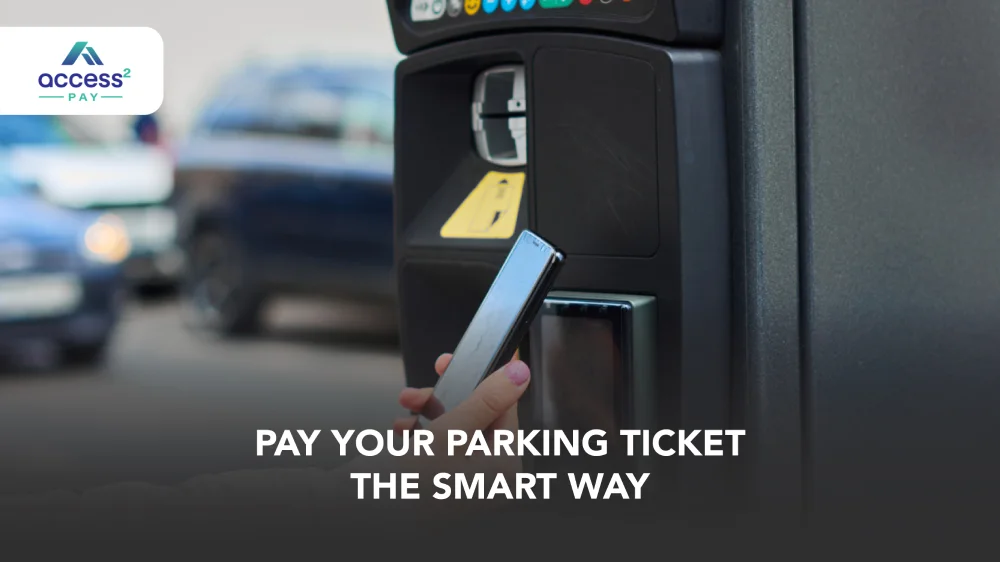
The parking violation payment process allows citizens to resolve parking tickets through a structured, traceable system managed by local governments. Each stage, from issuing the citation to processing the payment, is designed to ensure fairness, accuracy, and accountability. When done correctly, this process improves compliance, reduces administrative workload, and provides transparent records for both citizens and municipal staff. As technology advances, cloud-based systems and automation continue to simplify how people handle traffic fines and payments through secure, convenient methods. This article walks you through how it all works, from the first notice to final reconciliation, explaining each step clearly and directly.
Key Takeaways
- Governments use digital systems to manage parking violation payment efficiently, ensuring accurate tracking, secure data management, and improved citizen experience.
- Citizens can settle fines through online portals, mail, or in-person counters, depending on their convenience and access.
- Automation reduces errors, speeds up transaction times, and helps municipalities handle large volumes of traffic fines and payments without unnecessary manual effort.
Overview of the Parking Violation Payment Process
Every parking citation starts with an enforcement officer or digital sensor detecting a violation, such as expired meters or unauthorized parking zones. Once identified, the details, vehicle plate number, location, time, and offense type are recorded into a centralized database. This entry marks the beginning of the official payment cycle, allowing the municipality to maintain accurate records and track each case through its entire lifecycle.
After the ticket is issued, the information is uploaded into a municipal payment platform where citizens can view and settle their dues. If left unpaid within a specified window, late fees or legal action may follow. Governments rely on this structured process to maintain fairness and financial transparency while reducing disputes and confusion.
- Violation Issuance: Officers or digital sensors record the violation and link it to a vehicle’s registration.
- System Entry: Data automatically uploads to a secure government database, establishing a payment record.
- Notification: Citizens receive a printed ticket on their windshield or an online notice through a government portal.
- Payment Window: Most municipalities give a set timeframe, usually 15 to 30 days, for citizens to pay or appeal.
- Late Fees: If payment is missed, additional penalties or administrative fees apply until the balance is cleared.
The process runs efficiently when the system connecting these steps is accurate, transparent, and easy to access. That’s why many municipalities are now adopting cloud-based payment solutions to simplify the citizen experience and reduce the administrative cost of managing thousands of tickets each year.
Payment Methods: Online, Mail, In-Person Options
Municipalities offer several ways to make a parking violation payment, giving citizens flexibility based on their comfort and access to technology. Each method carries different levels of convenience, cost, and processing time. As governments modernize, online payments continue to gain traction due to their speed, accuracy, and digital tracking capabilities. Yet many cities still maintain traditional channels to ensure inclusion for everyone.
Online payments provide a fast, secure way to pay from anywhere using a credit card, debit card, or digital wallet. These systems instantly update the municipal database, marking the fine as resolved within minutes. Citizens receive receipts by email, making the process fully transparent. Cloud-based systems also make it possible to view outstanding violations or download payment history for recordkeeping.
Mail-in payments cater to citizens who prefer paper transactions or have limited internet access. The process involves mailing a cheque or money order along with a copy of the ticket to the city’s finance department. While effective, it takes several days to process and carries a risk of postal delays. Governments are working to phase out this option gradually while ensuring fair access for all residents.
In-person payments remain available for those who want face-to-face interaction or need assistance navigating the process. At city service counters, staff can explain details, verify identity, and issue printed receipts instantly. Though slower and more resource-intensive, in-person channels build trust, particularly among residents who prefer human support during financial transactions. The mix of these methods ensures municipalities meet both convenience and compliance goals.

Step-by-Step Guide to Paying a Parking Violation Online

Paying a parking fine online is now the preferred method in most cities because it’s fast, traceable, and convenient. The process typically takes just a few minutes from start to finish, with instant confirmation. Governments use encrypted systems that protect sensitive payment details while updating their financial records in real time. Citizens benefit from reduced effort, while municipal teams spend less time handling paperwork.
The online payment process follows a clear and structured flow that minimizes confusion. With automation and digital verification, errors and delays are nearly eliminated. This helps municipalities maintain consistency in recordkeeping and customer service.
Visit the Portal
The process begins by visiting your city or municipality’s official payment portal. These secure platforms are designed to handle large volumes of transactions while maintaining data protection standards. Once on the homepage, you’ll usually find a dedicated section for parking violation payment, clearly labeled for convenience. The site also provides details on payment deadlines, late fees, and customer support contact information.
Enter Ticket Number
After accessing the portal, the next step is to enter your citation or vehicle plate number. This unique identifier retrieves your ticket record from the city’s database. The system instantly matches the input with the corresponding violation, displaying all relevant details. Accuracy here is key, an incorrect number can result in failed searches or delayed processing.
Confirm Details
Once your record appears, the portal displays important information such as the violation date, location, and fine amount. Take a moment to verify that everything is correct before proceeding. Confirming these details ensures that you’re paying the right ticket and avoids future disputes. Many systems also show photos or notes taken by enforcement officers for additional context.
Select Payment Method
Modern municipal portals support multiple secure payment options, giving citizens flexibility. You can typically choose from credit cards, debit cards, or digital wallets like PayPal or Apple Pay. Each transaction passes through an encrypted payment gateway, protecting your personal and financial information. Selecting your preferred method ensures a seamless transaction that aligns with your convenience.
Submit Payment
Once your details and payment method are confirmed, you can proceed to finalize the transaction. The system processes your payment within seconds and updates the government database automatically. Unlike mailed cheques, online payments reflect instantly, preventing unnecessary penalties or delays. A visual confirmation screen will appear immediately once the transaction is successful.
Receive Confirmation
Finally, the system generates an electronic receipt that serves as official proof of payment. You’ll receive a confirmation email or text message containing your transaction ID and payment summary. Most portals also allow you to download or print a copy for your records. This final step closes the case in the municipal system, marking the ticket as fully resolved.
Each transaction syncs automatically with the city’s accounting software, ensuring both sides have accurate records in real time. This transparency benefits citizens by providing instant assurance of payment completion, while administrators gain verified data without manual entry. The result is a faster, more secure, and more accountable payment experience that reflects how modern governments deliver efficient digital services.
How Disputes and Appeals are Managed in Parking Payment Systems
Not every ticket is issued correctly, and that’s why modern parking violation payment systems include structured dispute and appeal processes. When a citizen believes a violation was issued unfairly, they can request a review through the city’s official platform. This digital system ensures fairness by logging every submission, response, and decision in one secure record. Automation tracks each stage, ensuring deadlines and communication are never missed.
Typically, a citizen submits an appeal form along with supporting documents such as photographs, receipts, or witness statements. The case is then reviewed by an independent officer or adjudicator who evaluates the evidence. Once the decision is made, it is communicated electronically or by mail. If the appeal is approved, the fine may be canceled or reduced.
Technology has greatly improved how these appeals are managed. Cloud-based databases maintain a complete record of communications and evidence, reducing disputes over lost paperwork or miscommunication. Citizens can log in anytime to check the status of their case, while administrators can monitor patterns to identify areas for enforcement improvement. This process helps governments maintain credibility and efficiency at the same time.
Appeals also benefit from automated notifications and integrated workflows. When deadlines approach, reminder emails and text messages keep both parties informed. This reduces administrative errors and avoids unnecessary escalation. The end result is a fair, transparent, and reliable way to manage objections within the broader parking payment system.
FAQ
How long do I have to pay a parking violation?
Most municipalities give between 15 and 30 days from the ticket issue date to complete the payment. During this time, citizens can pay, appeal, or request more information. Delays beyond that window may result in late fees or further legal action. Always check the printed or digital notice for your city’s exact deadline.
What happens if I miss the payment deadline?
When a ticket remains unpaid past its due date, the system automatically applies a late fee or administrative surcharge. Continued nonpayment may trigger vehicle registration holds or collection notices. Some cities also transfer unpaid fines to external agencies for recovery. Prompt action prevents these complications and helps maintain a clean record.
Can I appeal a fine if I already paid it?
In most cases, appeals are only accepted before a fine is paid, since payment is treated as an acknowledgment of the violation. Once the transaction is complete, only specific exceptions, such as clerical errors or double billing, may qualify for review. Each municipality sets its own policies for post-payment appeals. Always read the city’s online instructions before submitting your case.
Reducing Administrative Workload Through Payment Automation
Automation now drives modern parking violation payment systems, replacing manual tracking with software that manages fines, reminders, and reports in real time. Cities save hours of repetitive work while improving accuracy and accountability. Automated tools schedule follow-ups, send reminders, and record every payment instantly, freeing staff for more strategic tasks.
With dashboards showing live data on traffic fines and payment statuses, decision-makers can forecast revenue, allocate resources, and plan budgets confidently. Access2Pay’s automation tools bring these capabilities together, integrating portals, databases, and communication systems for faster, more transparent public service. For municipalities focused on efficiency and trust, automation is no longer an upgrade; it’s the standard for modern revenue management.

